
Buying guide
Solid shampoo and conditioner: what to compare
Format, storage, ingredients, usage, accessories, and recurring costs in one simple checklist. This guide contains no affiliate links.
Bar format and storage
A shampoo or conditioner bar is a solid product that softens when wet. How long a bar lasts depends largely on how dry it stays between uses.
- Look at the stated weight so you can compare bars of different sizes.
- Plan for a draining dish or rack that lets air reach the bottom of the bar.
- Keep the bar away from the direct stream of the shower.
Ingredient lists and compatibility
Read the full ingredient list on the packaging or merchant page rather than relying on a summary. If you avoid particular ingredients, check for them by name. If you have questions about how an ingredient may affect you, ask a qualified professional.
Usage and rinse routine
- Check whether the manufacturer suggests rubbing the bar on hair or between hands.
- Note any guidance on how long to leave conditioner before rinsing.
- Rinse the bar briefly after use so it does not sit in suds.
Accessories and replacement costs
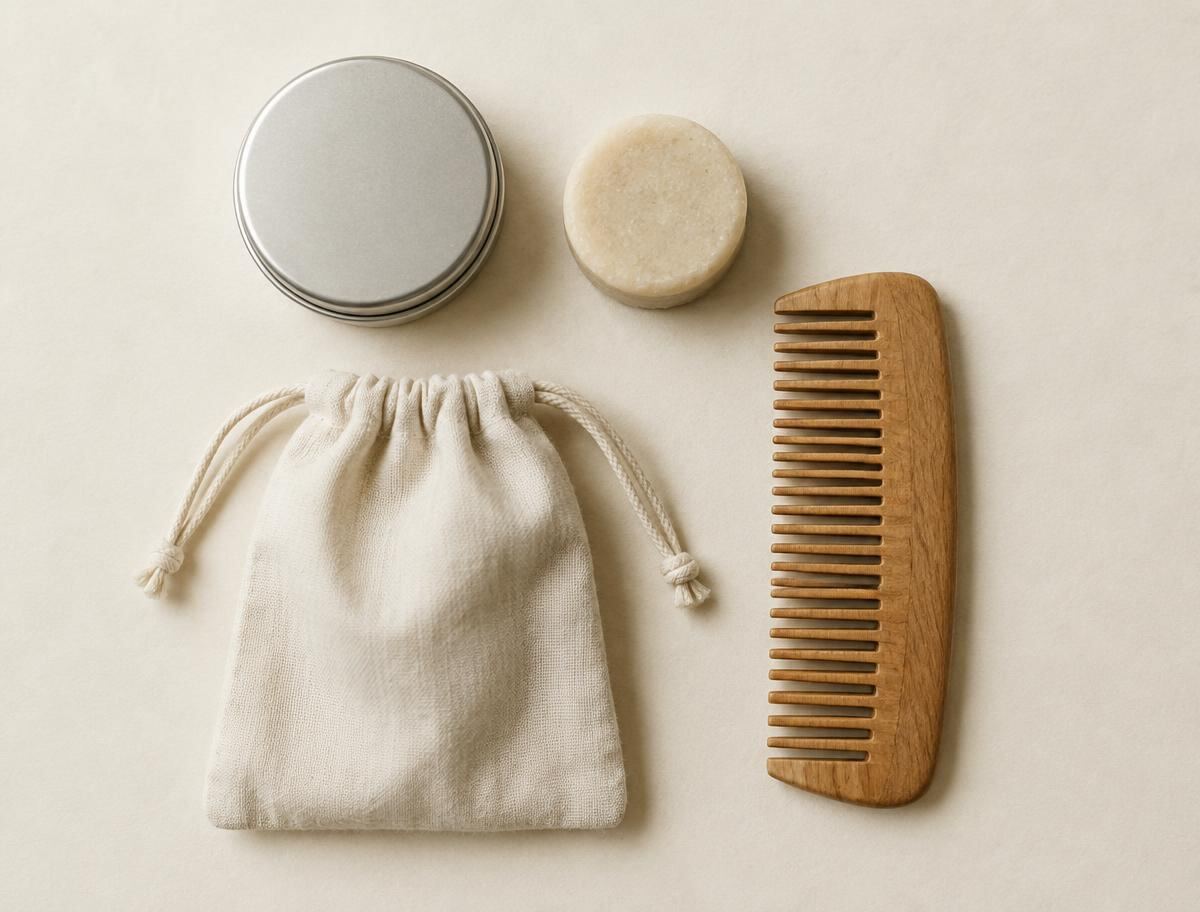
A bar may need a dish, a travel tin, or a pouch. These are usually one time purchases, while bars are replaced over time. To compare recurring cost, divide the price by the stated weight and compare that figure across products.
Travel and everyday handling
- Let a bar dry before closing it in a tin, or it may soften.
- Check the current rules of your airline and destination for toiletries.
- Label tins if you carry more than one bar.
Manufacturer instructions and merchant terms to verify
- Directions for use and any warnings on the packaging
- Current price, shipping, and availability
- Return policy and who handles order support
- The seller of record